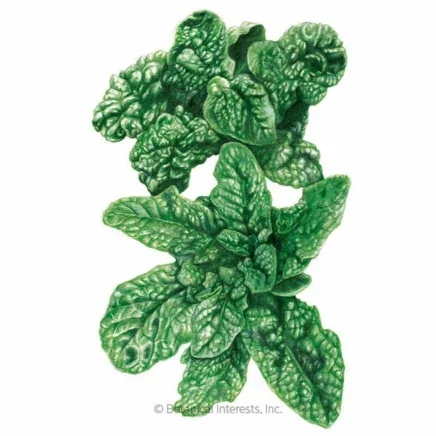
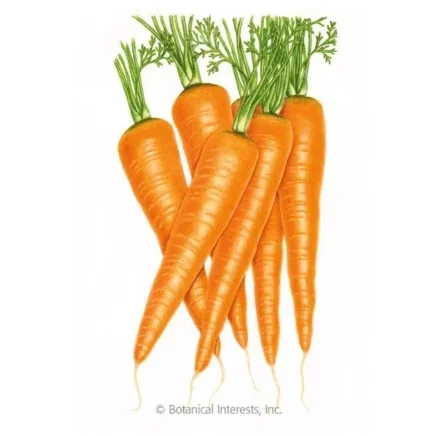
A single sowing date produces a single harvest date, which is rarely what a household wants. The fix is spacing plantings rather than planting more. The annual mistake many veggie gardeners make is sowing all their seeds in one go. Unfortunately, if you’re dealing with crops that mature all at once, thisleaves you with masses of veggies that you can’t eat within a week. Sowing at the same time is certainly the easier route initially, but it causes problems down the line when you actually want to use your harvest. Succession sowing veggies is the alternative. This involves sowing smaller batches more often, which is more effort but leads to less waste. If you want to harvest continuouslythroughout the seasonrather than all together, the plants below are the ones I’d reach for first, with notes on how to time each one. Black Seeded Simpson Leaf Lettuce Black Seeded Simpson Leaf Lettuce Seeds Bloomsdale Spinach Seeds Danvers 126 Carrot Seeds
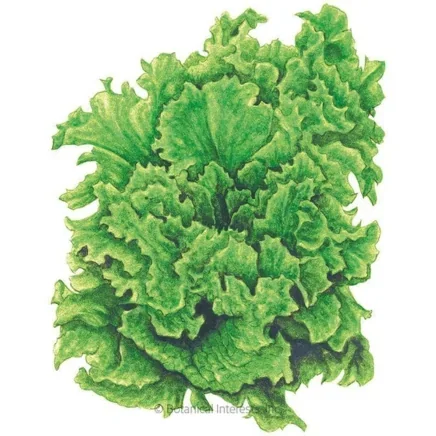
Lettuce
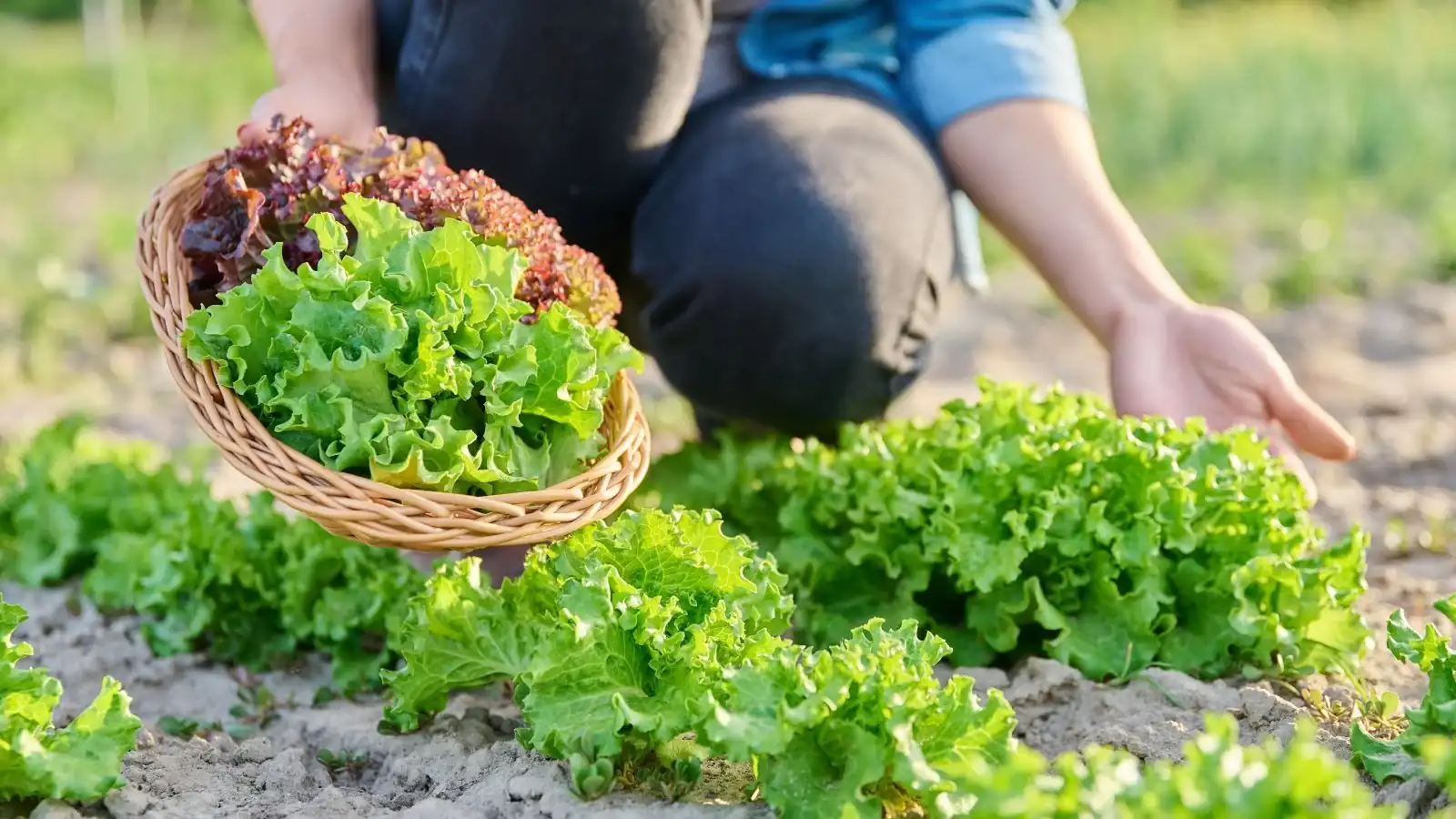
This is thetextbook succession crop. A single planting gives you maybetwo weeks of usable greens before the heads start boltingand the leaves turn bitter. Sowing every two weeks (or even weekly in summer) means you always have something to harvest.
In spring, succession sow these veggies every two weeks from your last frost date until early summer, then take a break when temperatures climb above 75°F (24°C). Most lettuce stops germinating reliably in heat, and seedlings that do come up tend to bolt before you can harvest them. Resume sowing in late August for fall harvests, when conditions favor lettuce again.
Loose-leaf and cut-and-come-again types like ‘Black Seeded Simpson’ or‘Salad Bowl’work better for succession sowing than head lettuces, since you canharvest gradually rather than waiting for a single mature head. They also handle a wider temperature range.
Radishes
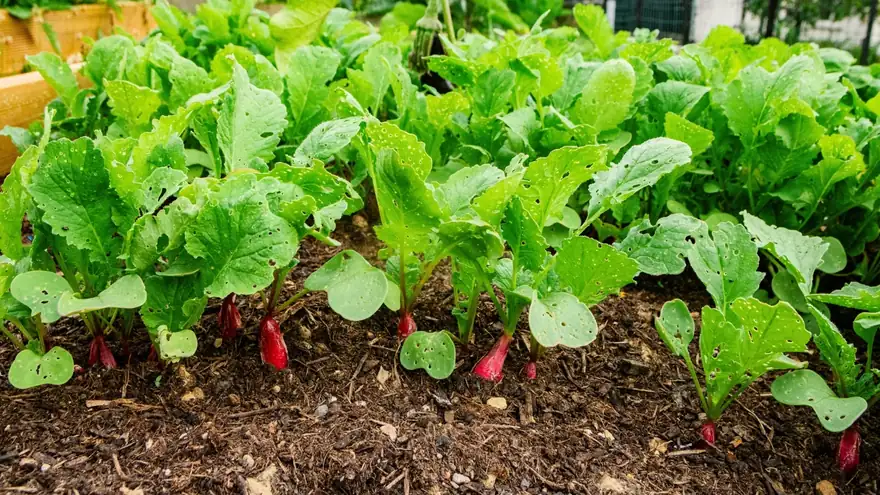
Radishesmature so fast (often in 24 to 30 days) that planting more than a small handful at a time often leads to waste. They also lose quality almost immediately once mature, going from crisp to woody in a matter of days, which means a single big sowing leaves you with maybe three or four days of good eating before the rest are spent.
Succession sow these veggiesevery 10 to 14 days, from early spring through late spring. Same again from late summer through fall. That’s the entire schedule.
Thesummer skipapplies here, too. Most spring radish varieties bolt in hot weather. Some heat-tolerant types exist, but in most climates, it’s easier to take a break in July and August and pick back up when temperatures drop.
Bush Beans
Where pole beans produce over a long season from a single sowing,bush beansproduce heavily for two to three weeks and then taper off. If you want a steady supply rather than a mass followed by nothing, two or three sowings two weeks apart through early summer is the way to do it.
Beans need warm soil to germinate, and they’re frost sensitive, so the last useful sowing date is roughly 80 days before your first fall frost. After that, plants probably won’t have time to mature.
It’s also worth knowing that very hot weather (sustained temperatures above 90°F) prevents beans from setting pods, sosummer sowings in hot climates can faileven when timing looks right on paper. In that case, sow in late spring and again in late summer, skipping the hottest weeks entirely.
Carrots
Carrots are slower than the other crops on this list (60 to 75 days to maturity for most varieties), and they don’t lose quality as fast once mature. Succession sow these veggies every three weeks rather than every two, starting in early spring and continuing through midsummer.
The last sowing should go inabout 75 days before your first frost for a fall harvest, with the option of leaving those carrots in the ground through winter if your climate allows. Carrots sweeten after a frost or two, so a late sowing pays off. The seeds are tiny, slow (sometimes 14 to 21 days to emerge), and need consistent moisture during that window or they fail. Sowing in small batches makes this manageable.
Spinach
Spinach has the same heat problem as lettuce but worse. It bolts faster, and the leaves get bitter sooner. The trick is to sow every 10 to 14 days from very early spring through mid-spring, then stop entirely once daytime temperatures consistently hit the 70s (~21°C). Pick back up in late summer for a fall crop, which is when spinach is at its best.
If you want acontinuous supplythrough summer,swap to chard or New Zealand spinach for the hot months. Both handle heat in ways that true spinach can’t.
Beets
Beets follow a rhythm somewhere between radishes and carrots. They mature in about 50 to 60 days, hold reasonably well in the ground once mature, and produce both useful roots and edible greens.
Sow every three weeks from early spring through midsummer, with one final sowing in late summer for fall harvest. If you’re using them mainly for greens, you can sow more densely and harvest younger leaves continuously rather than waiting for the roots to bulk up.
Even when you space them an inch apart, you’ll need to thin once they’re growing. Use the thinnings as baby greens (they’re some of the best salad ingredients you can grow).
Cilantro
Of all the herbs that benefit from succession sowing, cilantro is the most demanding.It bolts at the slightest hint of heat or stress, so a single sowing in spring will give you maybe three weeks of leaves before the plant flowers.
Sow a small batch every two weeks in spring and fall, and skip summer entirely in most climates. Sadly, there’s no real workaround beyond growing indoors. Even varieties marketed as slow-bolting will go to seed quickly in very hot weather.
If your cilantro does bolt, don’t pull it. Let it flower (the flowers are good for pollinators) and thencollect the seeds to use as a spice. You’ll get two uses from one sowing.
Arugula
This crop can be harvested in 21 days, faster than almost anything else you can grow, which makes arugula one of the most flexible succession crops in the garden. You can squeeze a sowing into almost any gap, between longer-season crops or in pockets of bare soil that open up after a harvest.
Sow every two weeks from early spring (it tolerates light frost) through late spring, then again from late summer through fall. Like lettuce and spinach, arugula bolts in hot weather and the leaves turn unpleasantly sharp once flower stalks form. Skip the hottest summer weeks unless you’re growing in part shade, where it will hold a bit longer.
Scatter the seeds rather than planting in neat rows. Arugula doesn’t need careful spacing, and a slightly overcrowded patch produces tender baby leaves that you can cut with scissors. When one patch is finished, scatter another.
Kale
Kaledoesn’t need succession sowing the way the others do. A spring planting can produce continuously for months, especially if you harvest the lower leaves and let new ones come from the top. So why include it here?
Because a second sowing in midsummer (about 10 to 12 weeks before your first fall frost) gives youfresh, tender plants for fall harvest, when the older spring plants are usually tough and pest-ridden. Fall kale is also sweeter, since cool weather and frost triggersugar productionin the leaves.
Two sowings are enough (which may stretch the definition of succession sow veggies a bit, but the principle still applies). Sow one round in early spring, and one in midsummer. The harvests stretch from late spring through hard frost (and beyond, in milder climates).